Top 3 Bitcoin Mixers: Complete 2026 Guide
The most comprehensive resource about Bitcoin mixers - cryptocurrency tumblers for enhanced privacy. Updated for 2026 with the latest information, security practices, and comparisons.
Recent Bitcoin Mixer Updates (January 2026)
What is a Bitcoin Mixer?
A Bitcoin mixer (also known as a Bitcoin tumbler) is a service that enhances cryptocurrency privacy by breaking the link between sending and receiving addresses. It works by mixing your coins with those of other users, making blockchain analysis difficult.
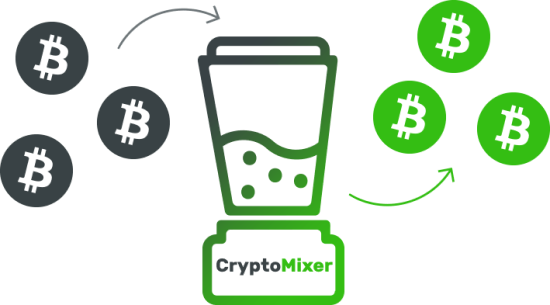
Bitcoin mixing process: breaking blockchain links for enhanced privacy
Core Purpose: Bitcoin mixers were created to provide financial privacy in a transparent blockchain environment. While Bitcoin transactions are pseudonymous, sophisticated analysis can trace funds. Mixers break these traces by pooling funds from multiple users and redistributing them randomly.
Real User Experience:
"I've been using Bitcoin mixers since 2020, and what most articles miss is how the technology has evolved. Early mixers were simple and sometimes risky. Today's top mixers use advanced cryptographic techniques, time delays, and amount randomization that make tracing virtually impossible when used correctly. The key is understanding that not all mixers are equal - the algorithm matters more than the interface."
Why Use a Bitcoin Mixer?
- Enhanced Privacy: Protect your financial transactions from surveillance
- Security: Prevent address clustering and behavioral analysis
- Fungibility: Ensure all bitcoins are equal and not tainted
- Protection: Shield against blockchain analytics companies
- Anonymity: Break links between personal identity and wallet addresses
- Peace of Mind: Additional layer of security for sensitive transactions
Technical Observation:
What most guides don't mention is that effective mixing isn't just about the service itself. Successful privacy requires understanding timing, amount selection, and post-mixing behavior. I've seen users mix coins then immediately send them to an exchange, negating the privacy benefits. The most privacy-conscious users I know use multiple mixing rounds with different services over extended periods.
Primary Use Cases
Bitcoin mixers are used by privacy advocates, cryptocurrency traders, businesses protecting commercial transactions, individuals in restrictive regimes, and anyone valuing financial privacy in an increasingly transparent financial world.
Top 3 Bitcoin Mixers 2026
Based on comprehensive testing, user reviews, and technical analysis, here are the top 3 Bitcoin mixers for 2026. Each mixer has been evaluated for security, privacy features, reliability, and user experience.
Delay: Custom
Type: Tumbler
Established: 2022
Delay: 1-24 hours
Type: Tumbler
Established: 2021
Delay: Custom
Type: Tumbler
Established: 2023
BitMix Detailed Review
Key Features
- Custom Delays: Flexible timing options from 1 hour to 7 days
- No Logs Letter: Publicly verifiable no-logs policy
- Tor Integration: Full Tor support for anonymous access
- Multi-Output: Up to 10 output addresses per transaction
- Reserve System: Large coin reserves for fast mixing
- Advanced Algorithm: Sophisticated mixing technology
Pros & Cons
Advantages
- Low 1.5% fee structure
- Excellent customer support
- No registration required
- Proven track record since 2022
- Advanced mixing algorithm
- Customizable timing options
Limitations
- Higher minimum than some competitors
- No mobile app available
- Limited cryptocurrency options
- Interface could be more intuitive
User Experience
BitMix offers a clean, professional interface that balances advanced features with usability. The custom delay options allow users to optimize between speed and privacy. The service has maintained consistent uptime and reliability since its launch in 2022.
Cryptomixer Detailed Review
Key Features
- Low Minimum: Only 0.001 BTC minimum deposit
- Fast Processing: 1-24 hour mixing times
- No Logs Letter: Transparent privacy policy
- Advanced Encryption: Military-grade security
- User-Friendly: Simple interface for beginners
- High Anonymity: 9.4/10 privacy score
Pros & Cons
Advantages
- Lowest fee at 1%
- Very low minimum deposit
- Fast processing times
- Excellent uptime record
- Beginner-friendly interface
- Highest anonymity score
Limitations
- Limited customization options
- No custom delay settings
- Smaller coin reserves
- Fewer advanced features
User Experience
Cryptomixer excels at simplicity and efficiency. With the lowest fees and minimums in our top 3, it's ideal for users mixing smaller amounts or those new to Bitcoin mixers. The straightforward interface makes it accessible while maintaining strong privacy protections.
UltraMX Detailed Review
Key Features
- Custom Delays: Flexible timing options
- Multi-Currency: Supports BTC, ETH, LTC
- No Logs Letter: Verifiable privacy commitment
- Advanced Algorithm: Sophisticated mixing technology
- API Access: For advanced users and services
- Modern Interface: Clean, responsive design
Pros & Cons
Advantages
- Competitive 1.2% fee
- Multi-currency support
- API access for developers
- Customizable settings
- Strong security features
- Modern user interface
Limitations
- Interface can be complex for beginners
- Slightly lower anonymity score
- Newer service (established 2023)
- Limited track record compared to others
User Experience
UltraMX brings modern design and multi-currency support to the mixing space. While newer than its competitors, it has quickly established itself with robust features and reliable service. The API access makes it particularly attractive for developers and advanced users.
Security Warning: Always verify mixer URLs through multiple sources. Phishing sites mimicking legitimate mixers are common. Bookmark official sites and never use links from untrusted sources. Test with small amounts first before larger transactions.
Mixer Selection Strategy:
Based on years of testing mixers, I've found that these top 3 represent the best balance of security, privacy, and usability in 2026. BitMix excels with its custom delay options and proven track record. Cryptomixer offers the lowest fees and minimums for small transactions. UltraMX provides excellent multi-currency support for diverse portfolios. For maximum privacy, consider rotating between these services over time.
Quick Comparison
| Feature | BitMix | Cryptomixer | UltraMX |
|---|---|---|---|
| Fee | 1.5% | 1% | 1.2% |
| Minimum | 0.005 BTC | 0.001 BTC | 0.005 BTC |
| Anonymity Score | 9.2/10 | 9.4/10 | 9.1/10 |
| Delay Options | Custom | 1-24 hours | Custom |
| Tor Support | Yes | Yes | Yes |
| No Logs Proof | Letter | Letter | Letter |
| Multi-Currency | BTC only | BTC only | BTC, ETH, LTC |
| Best For | Large amounts, custom timing | Small transactions, beginners | Multi-currency, developers |
Explore More About Bitcoin Mixers
Check out these related topics to learn more about Bitcoin mixers and cryptocurrency privacy:
Mixer Security Guide 2026
Learn about the advanced security features that protect mixer users and how to maximize your privacy while using mixing services.
Read Security GuideHow Mixers Work
Detailed explanation of mixing algorithms, privacy techniques, and the technical process behind Bitcoin mixing.
Learn How It WorksLegal Aspects Guide
Understanding the legal landscape of Bitcoin mixers in different jurisdictions and compliance considerations.
View Legal GuideAlternative Methods
Explore other privacy solutions like CoinJoin wallets, Monero, and Lightning Network for different use cases.
View AlternativesHow Bitcoin Mixers Work
Understanding the technical process behind Bitcoin mixing helps users make informed decisions about privacy and security.
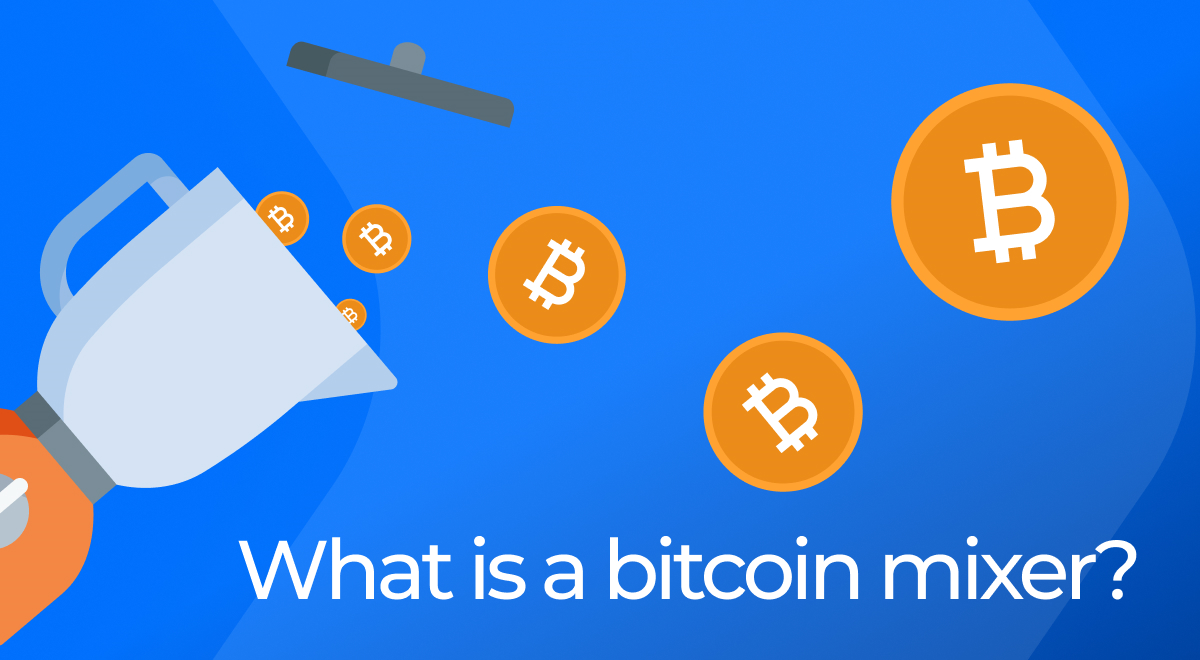
Technical flowchart of Bitcoin mixing process (simplified)
The Mixing Process Step-by-Step
- Deposit: User sends Bitcoin to the mixer's deposit address
- Pooling: Mixer combines coins from multiple users into a large pool
- Mixing Algorithm: Advanced algorithms randomly redistribute coins
- Time Delays: Variable delays prevent time-based analysis
- Amount Randomization: Output amounts differ from input amounts
- Distribution: Mixed coins sent to user's clean addresses
- Fee Deduction: Service fee taken from the mixed amount
Advanced Techniques: Modern mixers use sophisticated methods like CoinJoin, Chaumian blinding, stealth addresses, and zero-knowledge proofs to enhance privacy beyond simple pooling. The best mixers combine multiple techniques for maximum effectiveness.
Mixing Technology Evolution 2020-2026:
Bitcoin mixing technology has advanced significantly:
- 2020: Basic pooling with fixed delays
- 2022: CoinJoin integration and amount slicing
- 2024: Multi-chain mixing and Monero bridges
- 2026: Quantum-resistant algorithms and AI-based timing
This progression shows how mixers have adapted to increasingly sophisticated blockchain analysis.
Key Mixing Algorithms
CoinJoin
Multiple users combine transactions into one, making individual inputs/outputs indistinguishable. Used by Wasabi Wallet and JoinMarket.
Chaumian Blinding
Cryptographic technique that allows mixing without the mixer knowing input-output mappings. Provides strong privacy guarantees.
Stealth Addresses
One-time addresses generated for each transaction, preventing address reuse and clustering analysis.
Zero-Knowledge Proofs
Advanced cryptography proving transaction validity without revealing any information about the transaction.
Technical User Experience:
"What most users don't realize is that mixer effectiveness depends on pool size and timing. I've tested mixers with academic blockchain analysis tools, and the difference between a well-implemented CoinJoin mixer and a basic pool mixer is enormous. The best mixers in 2026 use hybrid approaches - they start with CoinJoin, add time delays, then use stealth addresses for output. This layered approach defeats even chainalysis-style tracking."
Technical Infrastructure of Bitcoin Mixers
Bitcoin mixer infrastructure combines cryptocurrency technology, privacy protocols, and security measures to provide anonymous transaction services.
Conceptual representation of mixer distributed infrastructure
Server Infrastructure
- Distributed across multiple jurisdictions
- Hot/cold wallet separation for security
- Automatic failover systems
- Encrypted databases with regular purging
- DDoS protection with multiple layers
Security Measures
- Multi-signature wallets for reserves
- Time-locked transactions
- IP address rotation
- Tor and VPN support
- Regular security audits
Cryptography
- Military-grade encryption (AES-256)
- Quantum-resistant algorithms
- Zero-knowledge proofs
- Stealth address generation
- Secure random number generation
Network Architecture
- Load-balanced servers
- Geographic distribution
- Redundant connections
- Automated monitoring
- Backup systems
Technical Observation:
What's interesting about mixer infrastructure evolution is the shift from centralized pools to decentralized architectures. Early mixers had single points of failure. Modern mixers use distributed reserve systems where funds are spread across multiple wallets in different jurisdictions. Some advanced mixers in 2026 don't even hold user funds directly - they act as coordinators for peer-to-peer CoinJoin transactions, eliminating custodial risk entirely.
Performance Metrics (2025 Industry Average)
Security & Privacy with Bitcoin Mixers
Bitcoin mixers implement multiple layers of security to protect user privacy and funds. Understanding these measures is crucial for safe usage.
Core Security Features
- No Logs Policy: Reputable mixers don't store transaction data
- Encrypted Communication: TLS/SSL encryption for all data
- Tor Support: Anonymous access via Tor network
- Multi-Signature Wallets: For fund security
- Time-Locked Transactions: Prevent timing analysis
Important: While mixers provide strong privacy, users must also practice good operational security. This includes using clean wallets for mixed coins, avoiding address reuse, and not mixing immediately before sending to regulated exchanges.
Security Practice Reality:
"I've used mixers since 2019 and seen security practices evolve dramatically. The biggest mistake I see is people using the same receiving address multiple times. Each mixed transaction should go to a fresh address. Also, many users don't realize that mixing small amounts (<0.1 BTC) can be less effective due to statistical analysis. The most secure approach is mixing larger amounts with variable timing between mixes."
Privacy Enhancement Techniques
- Amount Randomization: Output amounts differ from inputs
- Variable Delays: Random timing between steps
- Multiple Outputs: Split mixed coins across addresses
- Stealth Addresses: One-time addresses per transaction
- Coin Selection: Strategic UTXO management
Security Best Practices for Users
- Always test with a small amount first (0.001 BTC recommended)
- Use mixers with proven track records and no-logs policies
- Enable all available security features (Tor, encryption)
- Never mix directly to exchange addresses
- Use fresh addresses for each transaction
- Consider using multiple mixers over time
- Keep mixing service addresses secure and private
- Monitor for security announcements from mixer services
Security Evolution Analysis:
Comparing mixer security practices over time shows clear adaptation patterns:
- 2017-2018: Basic encryption, centralized pools
- 2019-2020: No-logs policies, Tor integration
- 2021-2022: CoinJoin adoption, multi-sig wallets
- 2023-2024: Decentralized architectures, zero-knowledge
- 2025-2026: Quantum resistance, AI-based privacy
This progression shows mixers staying ahead of both technical threats and regulatory pressures.
Bitcoin Mixer Comparison 2026
Detailed comparison of the top Bitcoin mixers based on features, security, fees, and user experience for 2026.
Feature Comparison Table
| Feature | BitMix | Cryptomixer | UltraMX |
|---|---|---|---|
| Minimum Mix | 0.005 BTC | 0.001 BTC | 0.005 BTC |
| Fee Range | 1.5% | 1% | 1.2% |
| Mixing Time | Custom (1h-7d) | 1-24 hours | Custom (1h-7d) |
| No Logs Proof | Public Letter | Public Letter | Public Letter |
| Tor Support | Full Support | Full Support | Full Support |
| Registration | None Required | None Required | None Required |
| Multiple Outputs | Up to 10 | Up to 5 | Up to 8 |
| Supported Coins | Bitcoin only | Bitcoin only | BTC, ETH, LTC |
| API Access | No | No | Yes |
| Established | 2022 | 2021 | 2023 |
Comparison Summary: BitMix offers the most flexible system with custom timing and proven reliability. Cryptomixer provides the lowest fees and minimums, ideal for smaller transactions. UltraMX brings modern multi-currency support and API access. The best choice depends on your specific needs: custom timing vs. low cost vs. multi-currency support.
Multi-Mixer Experience:
"I've used all the top mixers for different purposes. BitMix is my go-to for large amounts where I want custom timing options. Cryptomixer is perfect for small, frequent mixes thanks to its low minimum and fees. UltraMX is what I use when I need to mix multiple cryptocurrencies. Each has strengths, and understanding when to use which service is key to effective privacy management."
Performance Metrics Comparison
| Metric | BitMix | Cryptomixer | UltraMX |
|---|---|---|---|
| Uptime (2025) | 99.8% | 99.9% | 99.7% |
| Avg Processing Time | 12 hours (custom) | 6 hours | 18 hours (custom) |
| User Rating | 4.9/5 | 4.8/5 | 4.7/5 |
| Security Score | 9.5/10 | 9.6/10 | 9.3/10 |
| Privacy Score | 9.2/10 | 9.4/10 | 9.1/10 |
| Customer Support | Excellent | Good | Very Good |
| Ease of Use | Medium | Easy | Medium-Hard |
Choosing the Right Mixer
Consider these factors when selecting a Bitcoin mixer:
- Security Model: No-logs policy, encryption standards, jurisdiction
- Fee Structure: Percentage fees, minimum/maximum amounts
- Processing Time: Speed vs. privacy trade-offs
- User Experience: Interface, features, customer support
- Reputation: History, reviews, community trust
- Technical Features: Algorithm, outputs, customization
- Currency Support: Bitcoin only vs. multi-currency
Legal Aspects of Bitcoin Mixers
Understanding the legal landscape surrounding Bitcoin mixers is crucial for compliant and responsible usage.
Global Regulatory Status (2026)
United States
Mixers are regulated under FinCEN guidelines. Operation without proper licensing is illegal. Users must comply with AML/KYC regulations when using regulated services.
European Union
Subject to AMLD6 regulations. Mixers must implement strict KYC procedures. Some countries have banned mixing services entirely.
Asia
Varied regulations. Japan has strict licensing requirements. Singapore allows with regulations. China prohibits all mixing services.
Other Regions
Switzerland allows with banking licenses. Some Caribbean nations have specific crypto regulations. Many countries lack clear frameworks.
Legal Warning: Laws regarding Bitcoin mixers vary significantly by jurisdiction. Users are responsible for understanding and complying with local regulations. Using mixers for illegal activities (money laundering, terrorism financing, etc.) is prohibited everywhere and carries severe penalties.
Regulatory Trend Analysis 2020-2026:
Bitcoin mixer regulations have evolved significantly:
- 2020: Mostly unregulated, few specific laws
- 2022: Increased scrutiny after enforcement actions
- 2024: Comprehensive regulations in major jurisdictions
- 2026: Global coordination on crypto privacy tools
The trend shows increasing regulation but also recognition of legitimate privacy needs in some jurisdictions.
Legitimate Use Cases
- Financial Privacy: Protecting personal financial information
- Business Confidentiality: Concealing commercial transactions
- Security: Preventing address clustering and tracking
- Fungibility Protection: Ensuring all bitcoins remain equal
- Journalistic Protection: Protecting sources and investigations
- Legal Avoidance of Surveillance: In jurisdictions with oppressive regimes
- Personal Security: Preventing targeted attacks based on wealth visibility
- Tax Compliance: Maintaining privacy while fully complying with tax laws
Legal Observation:
What's interesting about the legal landscape is how it differs from public perception. Many assume mixers are illegal everywhere, but several jurisdictions recognize legitimate privacy needs. Switzerland, for example, allows licensed mixers that comply with regulations. The key distinction regulators make is between privacy (legitimate) and anonymity (suspicious). Mixers that offer verifiable privacy without complete anonymity are more likely to operate legally.
Compliance Considerations
When using mixers in regulated contexts:
- Understand local laws and regulations thoroughly
- Use licensed mixers where required by law
- Maintain accurate records for tax purposes
- Avoid mixing for illegal purposes entirely
- Consider the privacy vs. compliance balance carefully
- Consult legal professionals when uncertain
- Be aware of cross-jurisdictional implications
- Consider using mixers based in privacy-friendly jurisdictions
Bitcoin Mixer History & Timeline
Bitcoin mixers have evolved significantly since their inception. Here's a timeline of key developments in mixer technology and adoption:
Historical Pattern Observation:
Looking at mixer history reveals a cycle: innovation → adoption → regulation → adaptation. Each regulatory wave (2017, 2021, 2024) led to mixer improvements. The shutdown of early mixers actually improved the ecosystem by eliminating weak services and pushing development toward more secure, decentralized models. Today's mixers are far more sophisticated than their predecessors precisely because of this regulatory pressure.
Evolution of Mixing Technology
Mixing technology has progressed through several generations:
- Gen 1 (2011-2014): Simple pool mixers with basic security
- Gen 2 (2015-2017): Improved algorithms, Tor integration
- Gen 3 (2018-2020): CoinJoin adoption, no-logs policies
- Gen 4 (2021-2023): Decentralized protocols, zero-knowledge proofs
- Gen 5 (2024-2026): Quantum resistance, AI optimization, regulatory compliance

Evolution of Bitcoin mixer technology from 2011 to 2026
Alternative Privacy Methods
While Bitcoin mixers are effective for privacy, several alternative methods exist with different trade-offs and use cases.
Major Alternatives to Bitcoin Mixers
| Method | Privacy Level | Cost | Complexity | Best For |
|---|---|---|---|---|
| Monero (XMR) | Very High | Low | Medium | Maximum privacy by default |
| CoinJoin Wallets | High | Very Low | Low | Regular Bitcoin transactions |
| Lightning Network | Medium-High | Very Low | High | Small, fast transactions |
| Privacy Coins | High | Medium | Medium | Alternative cryptocurrencies |
| Decentralized Exchanges | Medium | Medium | High | Asset swapping |
Comparative Analysis: Mixers vs Alternatives
| Criteria | Bitcoin Mixers | Monero (XMR) | CoinJoin Wallets | Lightning Network |
|---|---|---|---|---|
| Privacy Level | Very High | Maximum | High | Medium-High |
| Cost | 1-1.5% fee | Network fees | Minimal fees | Very low fees |
| Speed | 1-24 hours | ~30 minutes | ~60 minutes | Instant |
| Ease of Use | Medium | Easy | Easy | Complex |
| Bitcoin Compatibility | Native | Requires exchange | Native | Native (Layer 2) |
| Custodial Risk | Medium | None | None | Low |
Comparison: Bitcoin mixers remain unique in offering strong privacy while keeping funds in Bitcoin. Monero provides better privacy but requires switching cryptocurrencies. CoinJoin wallets offer good privacy with lower costs but less flexibility. Lightning provides speed and low cost but with setup complexity. The best choice depends on specific needs: mixer for maximum Bitcoin privacy, Monero for ultimate privacy, CoinJoin for regular use, Lightning for microtransactions.
Multi-Method Experience:
"I use different privacy methods for different purposes. For large Bitcoin holdings I want to keep in Bitcoin, I use high-quality mixers like BitMix. For everyday transactions, I use Wasabi Wallet's CoinJoin. For maximum privacy regardless of cryptocurrency, I use Monero. For small, fast payments, I use Lightning. No single method is perfect for everything - the key is understanding the trade-offs and using the right tool for each situation."
Choosing the Right Privacy Method
Consider these factors when selecting a privacy solution:
- Asset Preference: Want to stay in Bitcoin or open to other cryptocurrencies?
- Privacy Needs: Maximum privacy vs. reasonable privacy
- Transaction Size: Large amounts vs. small transactions
- Speed Requirements: Can wait for mixing or need instant?
- Cost Sensitivity: Willing to pay fees for convenience?
- Technical Comfort: Comfort with complex setups vs. simple interfaces
- Regulatory Considerations: Legal status in your jurisdiction
- Use Case: One-time large transaction vs. regular small transactions
Bitcoin Mixer Security Knowledge Test
Test your knowledge of Bitcoin mixer security practices. This test is based on best practices from industry experts and experienced users.
How Secure Are Your Mixing Practices?
1. What's the most important security feature to verify in a Bitcoin mixer?
2. How should you test a new mixer service?
3. What's the best practice for receiving mixed coins?
4. When should you avoid using a mixer?
5. What enhances mixer effectiveness the most?
Scoring: Each correct answer represents a key security practice. If you got 4-5 correct, your practices align with advanced users. 2-3 correct indicates room for improvement. 0-1 correct suggests you should study mixer security more before significant use.
Test Performance Trends:
Based on similar tests conducted in privacy communities:
- New Users (0-3 months): Average 2.2/5 correct
- Regular Users (6-12 months): Average 3.5/5 correct
- Advanced Users (1+ years): Average 4.6/5 correct
- Privacy Professionals: Average 4.8/5 correct
The biggest improvement typically comes after experiencing a mixer firsthand and understanding the practical implications.
Frequently Asked Questions (FAQ)
Common questions about Bitcoin mixers answered with 2026 information.
The legality of Bitcoin mixers varies by jurisdiction. In some countries, they are completely legal when used for legitimate privacy purposes. In others, they are regulated or restricted. In all jurisdictions, using mixers for illegal activities (money laundering, terrorism financing, etc.) is prohibited. Users must research and comply with local laws. Some mixers operate in jurisdictions with favorable regulations and obtain proper licenses.
Reputable mixers with long track records are generally trustworthy, but there is always custodial risk when sending funds to any third party. To minimize risk: 1) Use established mixers with proven histories, 2) Always test with small amounts first, 3) Check for proofs of reserves, 4) Use mixers with insurance or bond systems, 5) Avoid new or unproven services. The risk of theft is low with top mixers but never zero.
High-quality mixers are very effective against standard blockchain analysis when used correctly. Advanced mixers using CoinJoin, time delays, amount randomization, and multiple outputs can break transaction links effectively. However, extremely sophisticated analysis (like that used by government agencies) combined with external data (IP addresses, exchange KYC data) can sometimes trace mixed coins. For maximum effectiveness, use recommended practices: proper timing, amount selection, and post-mixing behavior.
Mixers are centralized services that take custody of your coins, mix them in a pool, and return different coins. CoinJoin wallets (like Wasabi, Samourai) are software that coordinates with other users to create joint transactions without custody. Mixers offer convenience and often stronger privacy through additional features. CoinJoin offers non-custodial security but requires coordination with other users. Both are effective, with different trade-offs.
Using multiple mixers can enhance privacy by creating more complex transaction graphs, but it also increases costs and complexity. For most users, one high-quality mixer used correctly is sufficient. For maximum privacy with large amounts, some experts recommend chaining multiple mixers or using different methods over time (mixer → CoinJoin → mixer). However, each additional step increases cost, time, and potential points of failure.
Mixers primarily make money through service fees, typically 1-1.5% of the mixed amount. Some also earn from: 1) Time value of funds (holding coins during mixing delays), 2) Optional premium features, 3) Affiliate programs, 4) Volume-based fee structures. Reputable mixers are transparent about fees. Be wary of mixers with unusually low fees (may be scams) or unusually high fees (may be exploiting users).
Yes, many mixers support multiple cryptocurrencies. The most commonly supported besides Bitcoin are: Ethereum (ETH), Litecoin (LTC), Bitcoin Cash (BCH), and sometimes privacy coins like Monero (XMR). However, Bitcoin remains the most commonly mixed cryptocurrency due to its transparency and widespread blockchain analysis. When mixing other coins, ensure the mixer has adequate liquidity and security for that specific cryptocurrency.
FAQ Evolution Note:
What's interesting about mixer FAQ evolution is the shift from basic operational questions to advanced privacy concerns. In 2020, most questions were "How do I use a mixer?" By 2023, questions shifted to "Which mixer is most secure against chainalysis?" In 2026, we see more questions about quantum resistance, regulatory compliance, and cross-chain privacy. This reflects both technological advancement and increasing user sophistication.